

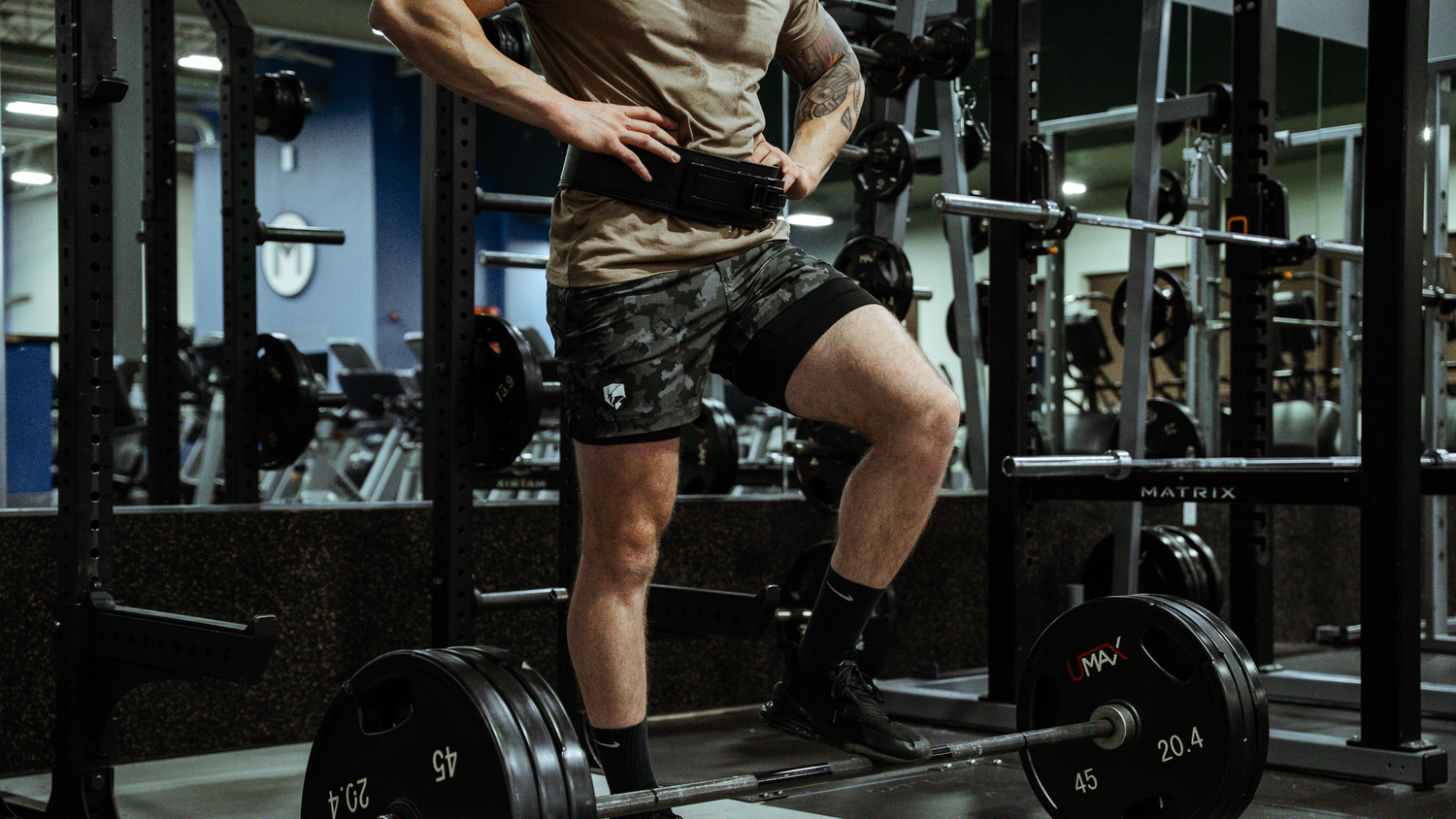
Lower Body Training for Real Terrain
Strong legs don’t just move you forward — they decide how far you can go. Whether you’re climbing steep grades, descending loose ground, or carrying load for hours at a time, your lower body determines how long you stay capable.
For the fit outdoorsman, leg training is not about building the biggest squat or chasing soreness. It’s about durability, balance, and strength that holds up when conditions get uncomfortable. Trails are uneven. Ground shifts. Fatigue builds. The body has to adapt.
This four-week lower body program is designed to create legs that perform in the real world — on hills, trails, and long days outside — not just on gym floors.
Why Outdoor Strength Is Different
Most gym programs train the legs in predictable patterns: straight lines, fixed machines, perfect footing. Outdoors, none of that exists.
Every step demands balance. Every climb loads one leg more than the other. Descents punish knees and hips. Carrying weight shifts your center of gravity constantly.
This means real-world leg strength must include:
- Unilateral control
- Hip stability
- Tendon resilience
- Fatigue resistance
If any of those are missing, performance collapses long before strength runs out.
The Movements That Matter
Lower body training for outdoor performance centers around four patterns:
Squat
Builds knee and hip strength for rising, climbing, and bracing under load.
Hinge
Strengthens the posterior chain — glutes, hamstrings, and back — which control descents and protect the spine.
Lunge
Trains one leg at a time, correcting imbalances and improving stability.
Carry
Develops postural strength and leg endurance while forcing the body to stabilize under load.
These movements create legs that stay functional long after the easy reps are gone.
 The 4-Week Lower Body Training Program
You’ll train lower body twice per week, leaving room for upper body and conditioning days.
Weekly Structure
- Day A: Strength & Control
- Day B: Stability & Work Capacity
Day A – Strength & Control
1. Back Squat or Goblet Squat
4 sets × 5–8 reps
Move with control. Full depth. No rushed reps.
2. Romanian Deadlift
4 sets × 8 reps
Hips back, spine neutral, tension through hamstrings.
3. Step-Ups (Box or Bench)
3 sets × 10 reps per leg
Drive through the heel. No push from the trailing foot.
4. Walking Lunges
3 sets × 20 total steps
Maintain posture and control.
5. Standing Calf Raises
4 sets × 15–20 reps
Slow tempo, full stretch.
Day B – Stability & Work Capacity
1. Front Squat or Split Squat
4 sets × 6–10 reps
Stay upright and controlled.
2. Single-Leg Romanian Deadlift
3 sets × 8–10 reps per leg
Balance and posterior-chain strength.
3. Reverse Lunges
3 sets × 12 reps per leg
Easier on the knees, high stability demand.
4. Sled Pushes or Hill Walks
5 rounds × 30–60 seconds
Steady, powerful movement.
5. Loaded Carries (Sandbag or Dumbbells)
4 rounds × 40–60 yards
Core, legs, and posture under fatigue.
Weekly Progression
Progress comes from consistency, not destroying yourself.
- Week 1: Learn the movement patterns
- Week 2: Add moderate load
- Week 3: Increase volume
- Week 4: Maintain intensity, reduce volume
The goal is strong, healthy legs that can train again next week — not short-term soreness.
 Why This Works Outside
Strong quads and glutes power climbs. Stable hips protect the knees on descents. Balanced legs keep you moving on uneven ground.
The unilateral work in this program teaches each leg to carry its share. The carries and sled work teach the body to stay upright and moving when fatigue sets in.
These qualities are what allow you to cover distance, stay balanced, and keep pushing long after easier workouts would break down.
Knee and Hip Longevity
Outdoor movement puts repetitive stress on joints. The key to longevity is not avoiding load — it’s training for it.
Single-leg work builds stabilizers. Controlled eccentrics strengthen tendons. Carries reinforce posture.
Recovery also matters:
- Light mobility on off days
- Walking instead of total rest
- Warm joints before heavy sessions
On colder days, using pieces like Compression Tights helps maintain muscle temperature and circulation, keeping knees and hips moving smoothly through the range of motion.
Training Gear That Moves With You
Lower body training demands apparel that doesn’t fight your movement.
The Recon Jogger allows full squat depth, lunging, and warm-ups without restriction, making it ideal for both training sessions and recovery days.
On harder conditioning days or when sweat output is high, Threshold Shorts provide breathability and freedom of movement without sacrificing durability.
For colder sessions or early-morning work, Compression Tights keep muscles warm and supported while allowing unrestricted mobility.
When your gear moves with you, your energy stays focused on the work — not on adjusting fabric or fighting friction.
How This Fits the January Program
This lower body plan works alongside:
- The upper body strength built in Back, Shoulders, and Grip
- The core stability coming in Week 3
- The conditioning engine developed in Week 4
Each piece reinforces the others, building a body that can handle both intensity and endurance.
