

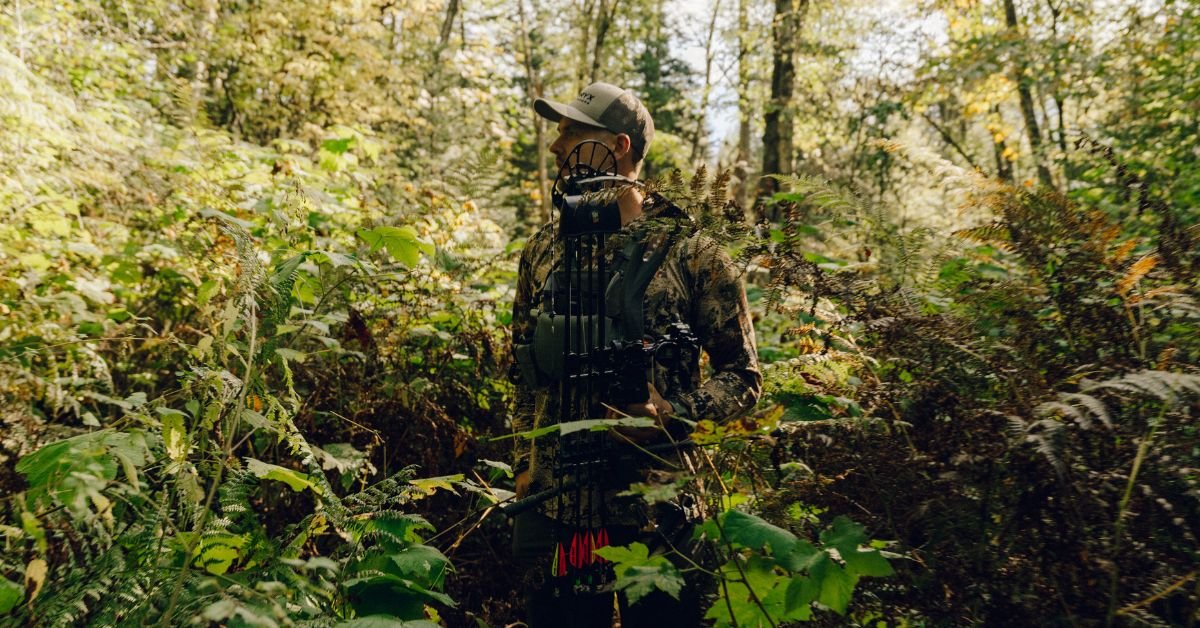
The Western wilderness is calling, and you feel ready to answer. While we like the confidence, it’s not quite that simple. Hunting somewhere new will be an extraordinary test of grit, endurance, and preparation. If you want your first Western hunt to be a success, you’ll need to start prepping long before you set foot in the field.
This guide will walk you through everything you need to know to prepare for your first hunting adventure out West. From understanding the lay of the land to building your mental and physical toughness, here’s how to get ready for a hunt that challenges you and redefines your limits.
Initial Research: Understanding the Terrain and Wildlife
Before you do anything, you must first take the time to deeply understand where you’ll be hunting and what you’ll be after. Western hunting territory is vast and diverse, ranging from dense mountain forests to arid grasslands. Knowing the nuances of your chosen location is critical for success.
Understand the Terrain
Different regions require different strategies. Will you be tackling steep, snow-covered slopes or covering long, flat ridges? E-scouting with tools such as OnX Hunt or Google Earth Pro allows you to study maps, elevation data, and hunt units ahead of time. This gives you a bird’s-eye view of the terrain, helping you pinpoint key features such as water sources, game trails, and potential glassing points.
Study the Wildlife
You’ll also need to research your target animal thoroughly. Understanding its behaviors, migration patterns, and preferred habitats arms you with the knowledge to be in the right place at the right time. For example, mule deer thrive in the open hillsides, while elk may congregate around water or dense cover. Remember to check local hunting regulations, as they dictate hunting seasons and tagging requirements. If possible, scout the area in person before the hunt. Observe the wildlife and get a feel for the landscape to boost your confidence once you actually begin.
Gear Essentials: What You Absolutely Need
Western hunting requires more than just your rifle or bow. The remote terrain and unpredictable weather mean you’ll need reliable, well-chosen gear that works as hard as you do.
Clothing Layers That Work
Temperatures can fluctuate wildly out West. To avoid getting too hot or cold, a layering system will be key.
- Base layer: Moisture-wicking material to keep sweat under control.
- Middle layer: Insulated fleece or down to stay warm on cold mornings.
- Outer layer: Waterproof and windproof jackets/pants to tackle sudden storms.
Invest in high-performing materials with durability and breathability, like merino wool or synthetic blends. This will help ensure your clothes continue to do their job effectively throughout the entirety of your trip.

Navigational Tools
Getting lost in the backcountry isn’t an option. Equip yourself with topographical maps, a compass, and a GPS designed specifically for hunters. While technology is great, knowing how to use a traditional map is a skill every hunter should master, so don’t forget to study up on that before your trip.
Optics
High-quality binoculars and a spotting scope can make or break your hunt, especially when glassing for hours on end. Look for optics with good magnification (10x42 is a reliable standard) and lens quality for clear visuals even in low light.
Other Essentials
Of course, there will be a few other things you’ll need that don’t fall into any particular category. One is a lightweight yet durable hunting pack system with enough space to carry water, food, and small pieces of equipment and any game you may harvest. For multi-day hunts, reliable sleeping gear is a must, including a quality sleeping bag, sleeping pad, and lightweight tent. To process game in the field, bring sharp knives, game bags, and gloves for field dressing.
Staying hydrated is crucial, so pack a hydration system such as a bladder or outdoor water bottles that can be refilled with a portable water filter. Don’t forget safety gear like a first aid kit, a headlamp, and an emergency blanket for unexpected situations.
Physical Development: Getting in Shape for the Hunt
Western hunting can be a much larger physical challenge than some might expect. Between long hikes, altitude changes, and heavy pack-outs, being in good shape can mean the difference between a successful trip and quitting early.
Build Strength and Endurance
Focus on leg exercises like squats, lunges, and step-ups to prepare for climbing steep inclines. Add cardio to improve endurance with activities such as trail running, cycling, or stair climbing. Packing out meat is physically demanding work. Include strength training for your shoulders, back, and core to prepare for carrying heavy quarters over uneven terrain. A weighted rucksack is a great training tool for field conditioning.
Acclimate to Elevation
If you’re not accustomed to high altitudes, the reduced oxygen level can be a real challenge. Try to spend a few days at elevation before your hunt to acclimate. If that’s not a possibility, you can buy a specialized breathing device that’ll simulate what it’s like to breathe on a mountain, so use something like that for your training. Also, stay on top of your hydration and rest to keep your energy levels up.
Mental Preparation: Setting Realistic Expectations
While hunting is a physical activity, it can also take its toll on you mentally, especially in new locations. Long days, unpredictable weather, and physical fatigue can challenge even the most seasoned hunters. Preparing your mindset is just as critical as preparing your body.
Set Realistic Goals
Not every hunt ends with a punch on your tag. Rather than focusing solely on the payoff of a hunt, set goals that allow you to appreciate the entire experience, such as learning the landscape, tracking animals, or refining your skills. Success might look different than you think.
Visualize the Hunt
Spend time mentally walking through each phase of your hunt—from breaking camp in the morning to your approach strategy. Visualization boosts focus and reduces anxiety once you’re in the field.
Stay Adaptable
Conditions will change. The weather may surprise you, your target may remain elusive, or you may get challenged by the terrain. Adaptability and resilience are critical to staying positive and pushing forward. No matter what, though, take time to enjoy the hunt itself. Whether or not you fill your tag, the landscapes and wildlife you encounter are a reward in themselves.

Safety Considerations: Staying Safe in the Backcountry
Being in unfamiliar backcountry adds another layer of responsibility: your own safety. These terrains and weather can be unforgiving if you’re unprepared, so take these steps into account as you prepare for your first Western hunt.
Inform Someone of Your Plan
Always tell a trusted individual where you’ll be hunting, your route, and your expected return time. Share contact details and any emergency measures, like a personal locator beacon (PLB), if you have one.
Learn Basic Survival Skills
While you might already have these skills, you should familiarize yourself with how to build a fire, filter water, and shelter in severe weather while in Western terrains. Knowing any minute differences that exist could save your life.
Watch for Wildlife
Aside from your target game, Western regions are also home to predators like bears, mountain lions, or wolves. Carry bear spray, avoid leaving food unsecured, and know how to react during an encounter with any of these dangerous animals.
Monitor Weather Conditions
Finally, since rapidly changing weather is common in the region, you’ll want to stay on top of things. Keep an eye on forecasts and always be prepared to take shelter during storms or extreme cold.
