

If you want to run faster, last longer, and perform better in both the gym and the outdoors, there’s one metric that matters more than most: VO2 max. It’s the engine behind endurance, work capacity, and recovery—whether you’re pushing through a brutal conditioning session, grinding out miles on a trail, or covering ground on a long day outside.
As summer approaches, now is the time to build it.
This guide breaks down what VO2 max actually is, how to improve it efficiently, and how to structure your training so you show up stronger, faster, and harder to break—no matter the environment.
What Is VO2 Max (And Why It Matters)
VO2 max is your body’s ability to use oxygen during intense exercise. The higher it is, the more efficiently your body can produce energy over time.
In simple terms:
- Higher VO2 max = better endurance
- Better endurance = more work, less fatigue
- Less fatigue = better performance everywhere
For the hybrid athlete—the guy who lifts, runs, trains, and spends time outdoors—VO2 max is what separates average from elite.
It impacts:
- Running and rucking performance
- Recovery between sets and sessions
- Mental toughness under fatigue
- Overall conditioning capacity
If you’ve ever felt like your lungs give out before your muscles do, your VO2 max likely needs work.
The 3 Most Effective Ways to Increase VO2 Max
Not all cardio is created equal. If you want real gains, you need to train with purpose.
1. High-Intensity Interval Training (HIIT)
This is the fastest way to improve VO2 max.
Short bursts of near-max effort force your body to adapt quickly by improving oxygen delivery and utilization.
Example Workout:
- 5 rounds
- 2 minutes hard run (90–95% effort)
- 2 minutes easy recovery
Or:
- 10 x 1-minute sprints
- 1-minute rest between
These sessions should feel uncomfortable. That’s the point.
Why it works:
You’re pushing your cardiovascular system to its limit, forcing adaptation.
2. Zone 2 Training (The Underrated Weapon)
Most people ignore this—and that’s a mistake.
Zone 2 is steady-state cardio at a pace where you can still hold a conversation. It builds your aerobic base and allows you to recover faster and go longer.
Example:
- 30–60 minute run
- Easy pace (heart rate ~60–70% max)
Why it works:
It improves your body’s ability to use oxygen efficiently over long durations, which directly supports VO2 max gains.
3. Tempo Training (Controlled Suffering)
Tempo work sits between easy cardio and all-out intervals.
It’s sustained, uncomfortable effort that trains your body to operate efficiently under pressure.
Example:
- 20-minute run at a challenging but sustainable pace
- You can talk, but you don’t want to
Why it works:
It increases your lactate threshold, allowing you to perform at higher intensities for longer.
 How to Structure Your Weekly Training
To maximize results, you need a balance—not just random workouts.
Sample Weekly Split:
- Monday: HIIT Intervals
- Tuesday: Strength Training + Short Zone 2
- Wednesday: Zone 2 (45–60 min)
- Thursday: Tempo Run
- Friday: Strength Training
- Saturday: Long Zone 2 (outdoors if possible)
- Sunday: Rest or Active Recovery
This combination builds:
- Speed (intervals)
- Efficiency (zone 2)
- Endurance under stress (tempo)
Training Smarter, Not Just Harder
A common mistake is going too hard, too often.
If every session feels like a max-effort grind, you’ll burn out fast. VO2 max improves best when intensity is strategic.
Key Rules:
- 2–3 hard sessions per week max
- Prioritize recovery
- Stay consistent over time
Progress comes from stacking weeks, not crushing one workout.
 Gear That Keeps Up With Your Training
Your training is only as good as what you wear during it. The wrong gear can slow you down, overheat you, or limit your movement.
For conditioning work and VO2 max training, you need gear that moves with you and regulates temperature.
Summit Hoodie
Perfect for early morning runs or cooler conditions. Lightweight, breathable, and built with UPF 50+ protection, it keeps you covered without overheating.
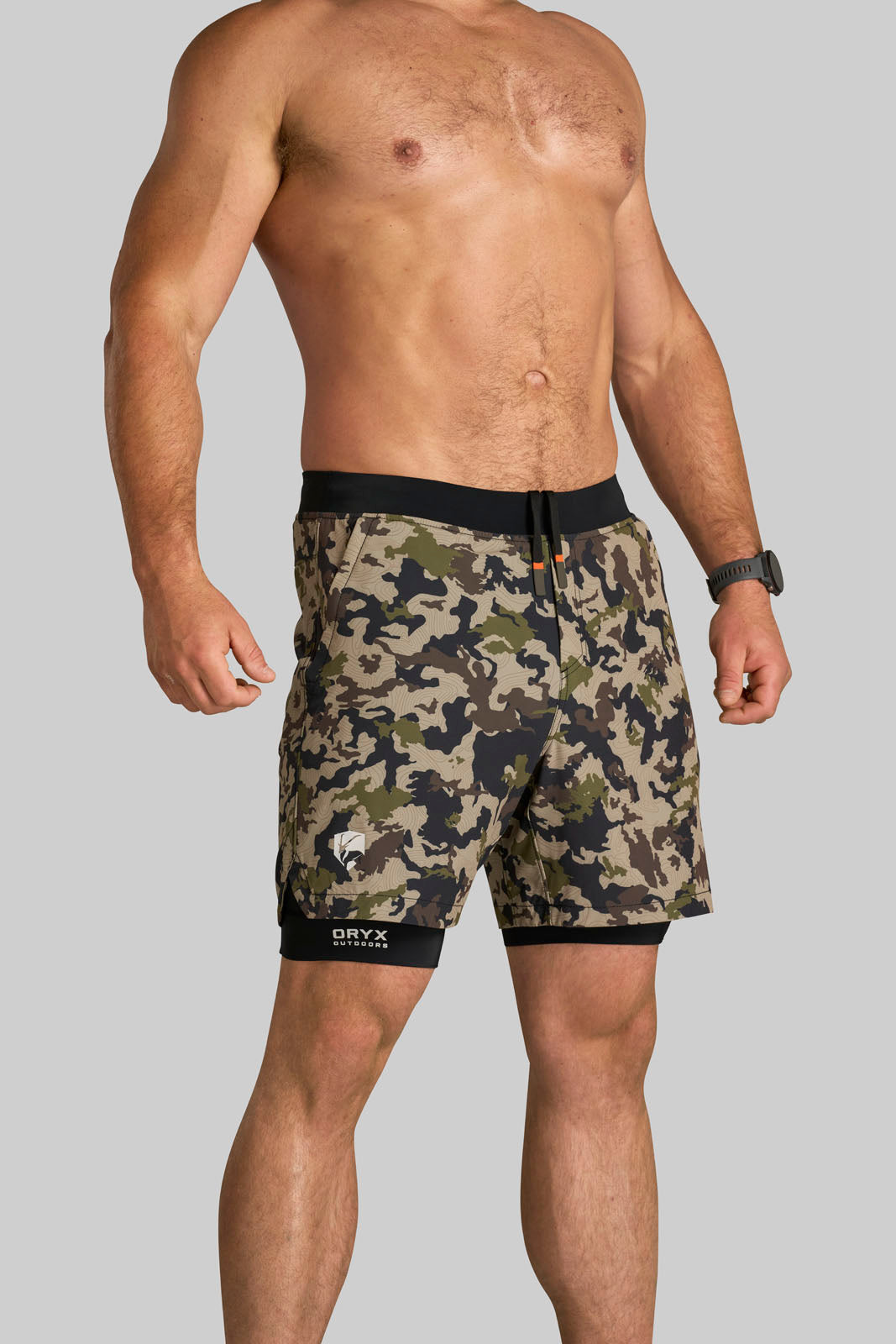
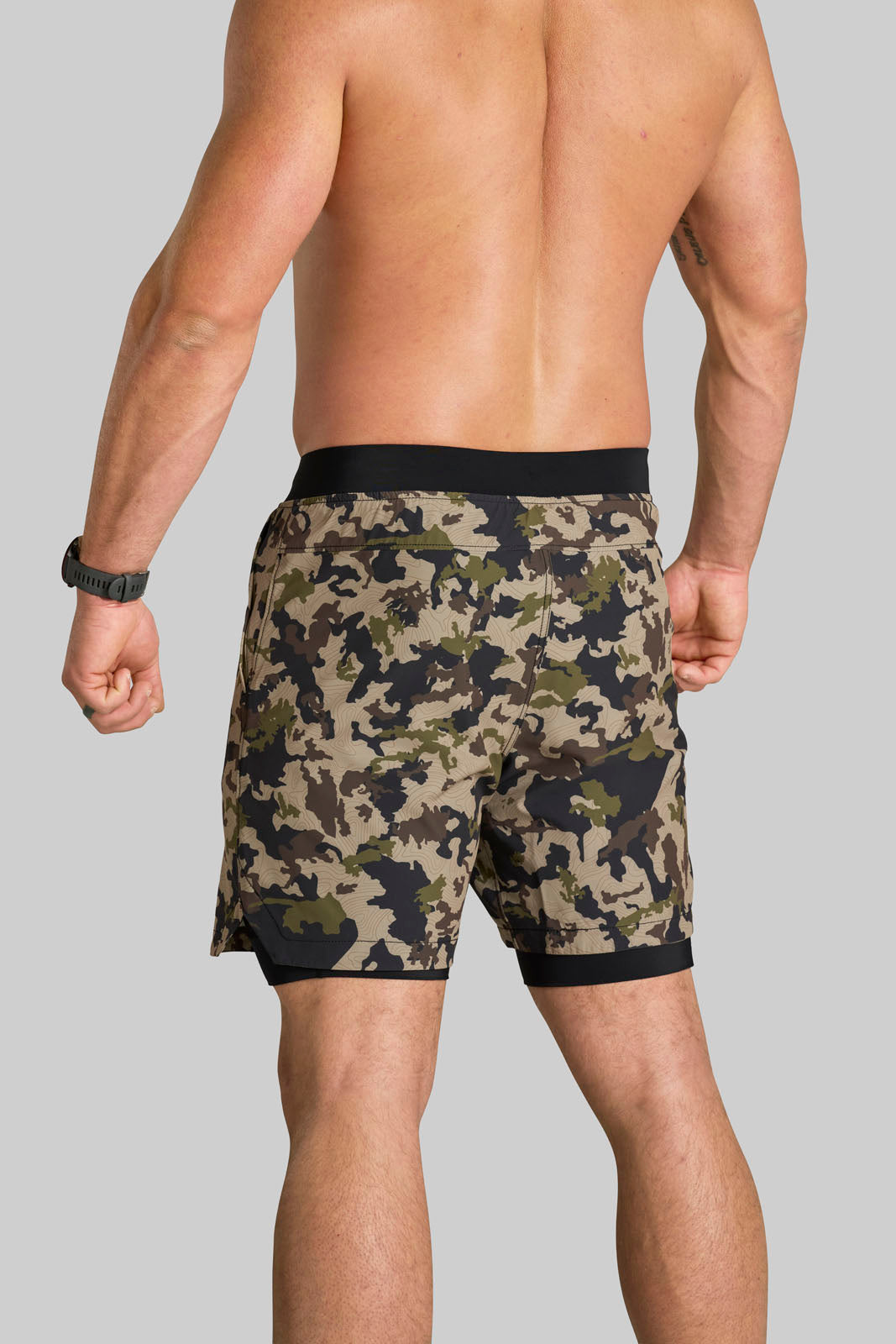
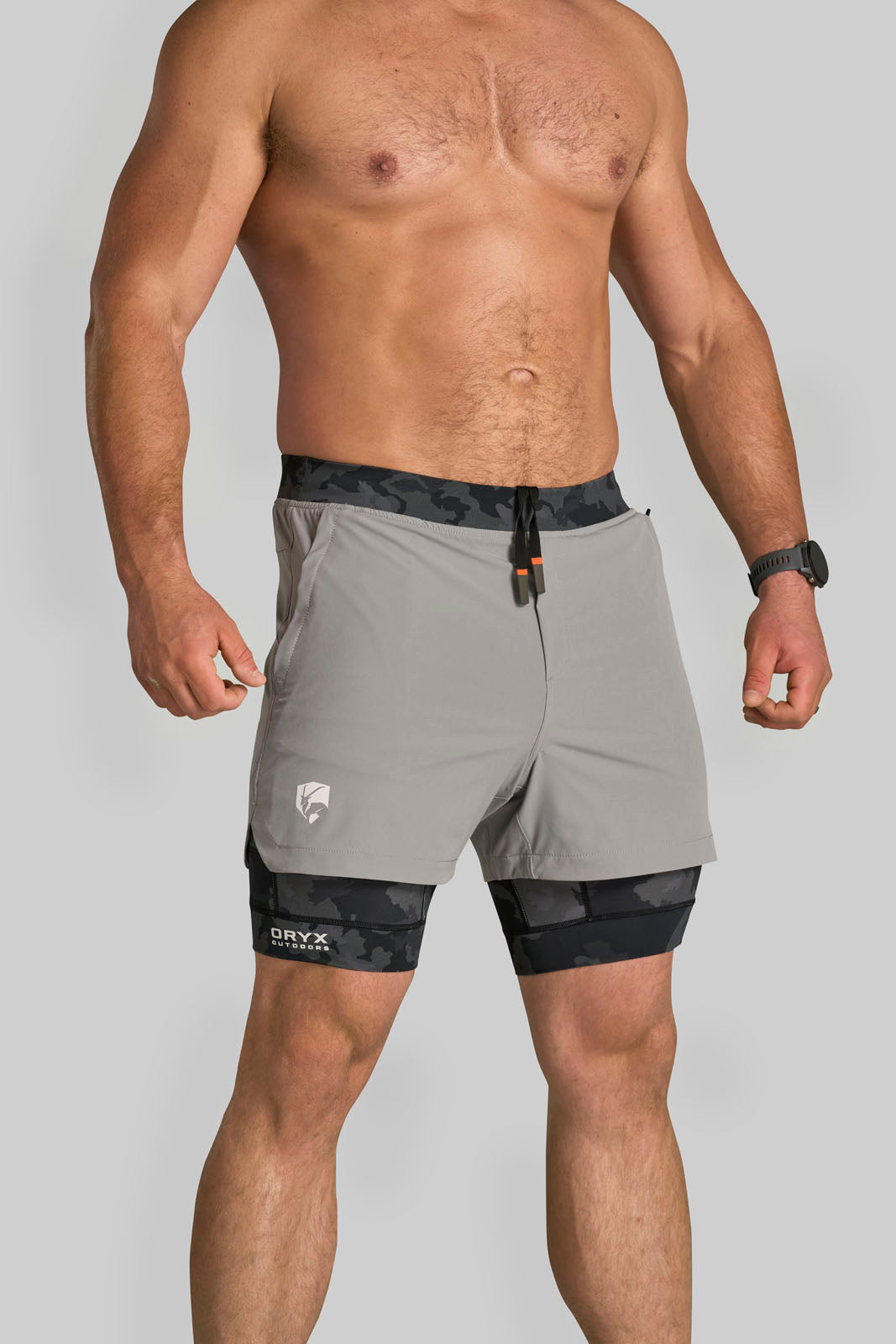
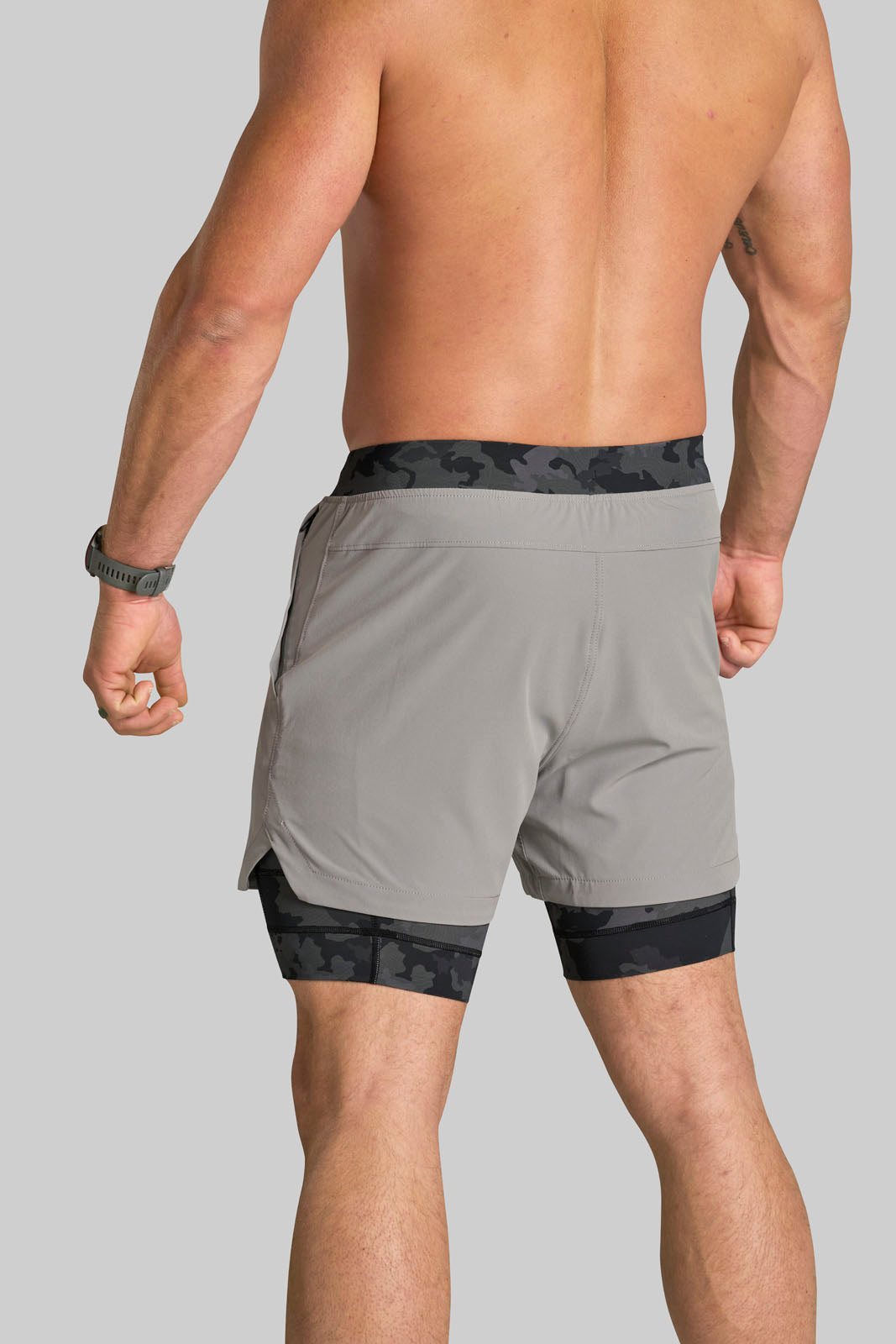
Threshold Shorts 2.0
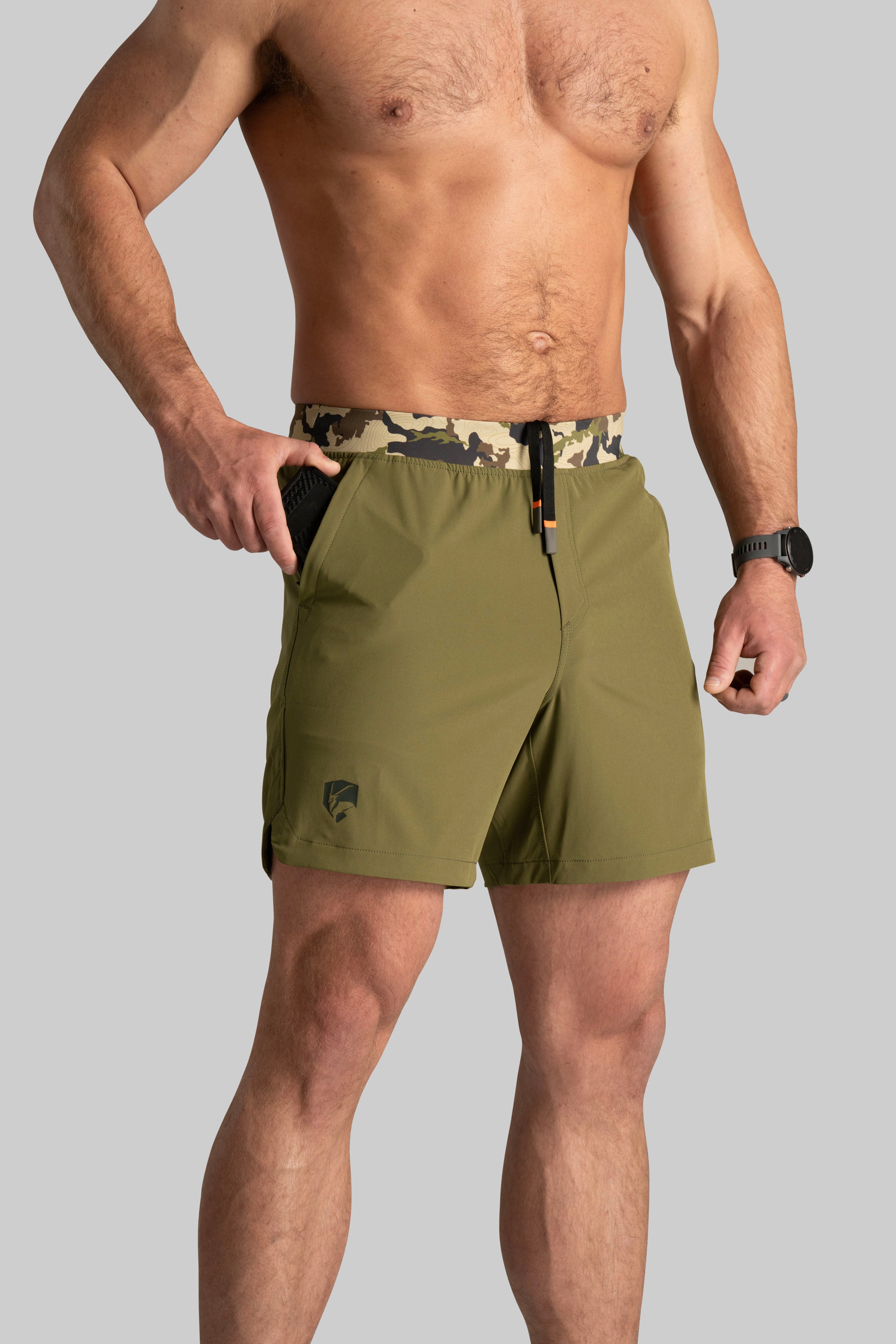
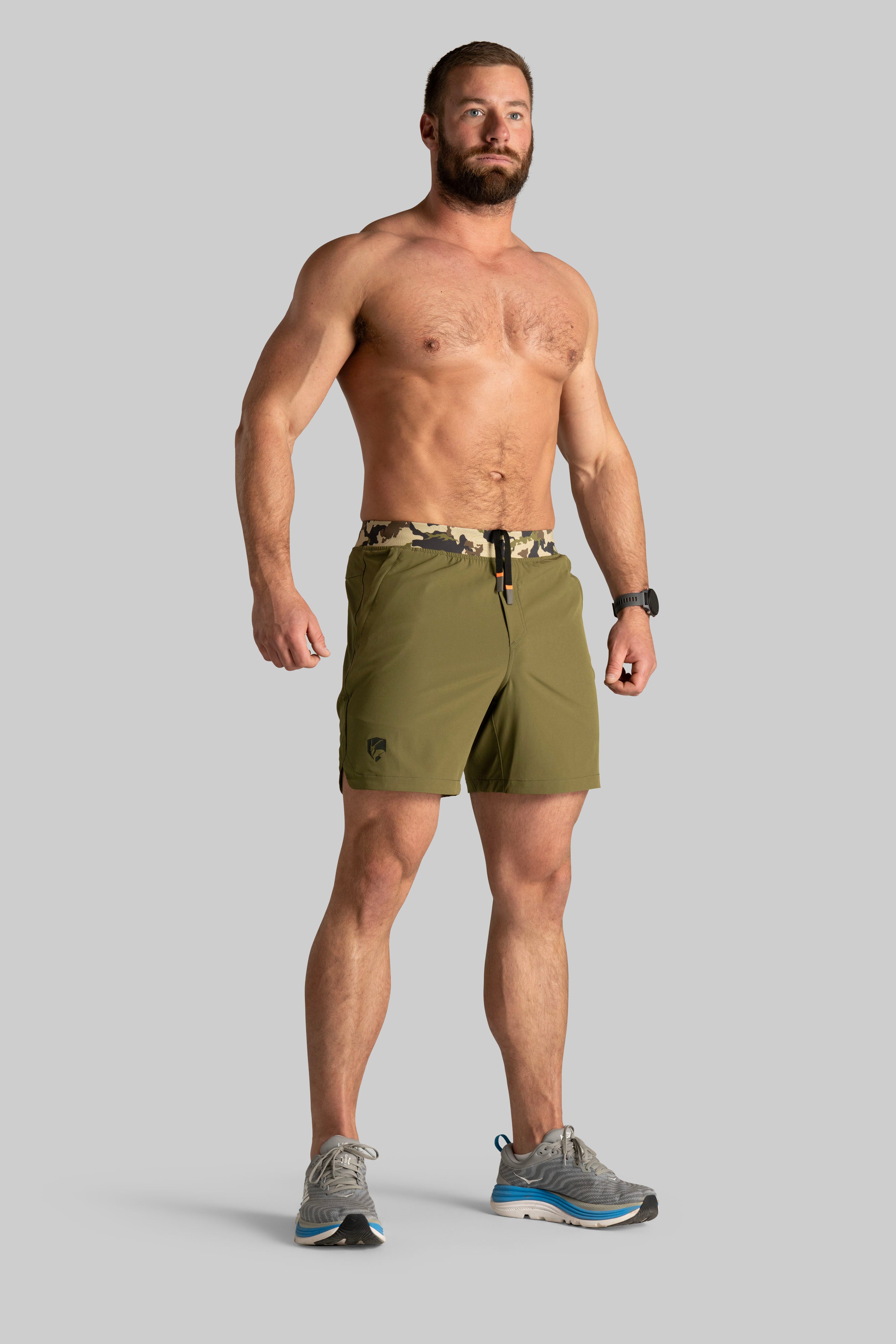
Designed for high-output training. Lightweight, breathable, and built for running, lifting, and conditioning—these are your go-to for interval days and tempo sessions.
Recon Jogger
Ideal for warm-ups, recovery days, or cooler outdoor sessions. Built with mobility and durability in mind, they transition seamlessly from training to the field.
Every piece is built for the same purpose: performance without compromise.
Signs Your VO2 Max Is Improving
You don’t need a lab test to know it’s working.
Look for:
- Lower heart rate at the same pace
- Faster recovery between intervals
- Ability to sustain harder efforts longer
- Less fatigue during long sessions
You’ll feel it before you measure it.
The Mental Edge
Improving VO2 max isn’t just physical—it’s mental.
Intervals hurt. Tempo runs test your discipline. Long zone 2 sessions require patience.
Most people quit when it gets uncomfortable.
The ones who don’t? They get better.
This is where the Always in Pursuit mindset comes in. You’re not training for comfort—you’re training for capability.
Final Takeaway
If you want to perform at a higher level this summer—whether in the gym, on the trail, or in the field—building your VO2 max is non-negotiable.
Focus on:
- High-intensity intervals
- Consistent zone 2 work
- Structured weekly training
Stay disciplined. Stay consistent. And train with purpose.
Because when your engine is stronger, everything else gets easier.
Always in Pursuit.