

Strength determines what you can do once. Conditioning determines how long you can keep doing it.
For the fit outdoorsman, cardio isn’t about chasing miles, posting splits, or surviving punishing workouts for bragging rights. It’s about building an engine that holds steady under stress — an engine that allows you to move efficiently, recover quickly, and stay capable when fatigue starts stacking.
This four-week conditioning program focuses on durability over ego, combining endurance, intensity, and loaded movement to build a system that performs across terrain, weather, and time.
Why Most Cardio Programs Don’t Transfer Outdoors
Traditional cardio plans often fall into two extremes:
- Endless slow miles with little strength carryover
- High-intensity workouts done too frequently, leading to burnout
Neither prepares you well for the demands of outdoor movement.
Outside, effort isn’t steady or predictable. You alternate between long stretches of moderate output and short bursts of intensity. Recovery matters just as much as output. If your engine can’t downshift and recover, it eventually fails.
Effective conditioning for the outdoors must build:
- Aerobic capacity
- Repeatable power
- Fast recovery
- Mental pacing
Understanding the Energy Systems (Simple and Practical)
You don’t need a physiology degree to train intelligently. Think of conditioning in three buckets:
Zone 2 (Sustainable Effort)
This is the foundation — the pace you can hold while breathing through your nose and sustaining conversation. Zone 2 improves endurance, fat utilization, and recovery between harder efforts.
High-Intensity Intervals
Short bursts that push heart rate high, followed by recovery. These improve power, speed, and the ability to handle sudden effort spikes.
Loaded Movement
Carrying weight changes everything. It builds strength-endurance, posture, and resilience in a way no machine can replicate.
This program blends all three.
 The 4-Week Conditioning Plan
Conditioning is performed 3 days per week, ideally separated by at least one rest or strength day.
Weekly Structure
- Day 1: Zone 2 Endurance
- Day 2: Interval Conditioning
- Day 3: Loaded Movement / Ruck
Day 1 – Zone 2 Endurance
Duration: 30–60 minutes
Effort: Conversational pace
Options include:
- Incline treadmill walk
- Trail hike
- Easy jog
- Bike or row
The goal is consistency, not speed. Stay relaxed and controlled.
This session builds the aerobic base that allows everything else to improve.
On colder days, layering with the Summit Hoodie helps keep muscles warm without overheating during sustained movement.
Day 2 – Interval Conditioning
Warm-Up: 10 minutes easy movement
Main Set (Choose One):
- 10 rounds:
- 30 seconds hard
- 90 seconds easy
OR
- 5 rounds:
- 2 minutes hard
- 3 minutes easy
Cool Down: 5–10 minutes
Effort should be challenging but repeatable. If output drops significantly each round, intensity is too high.
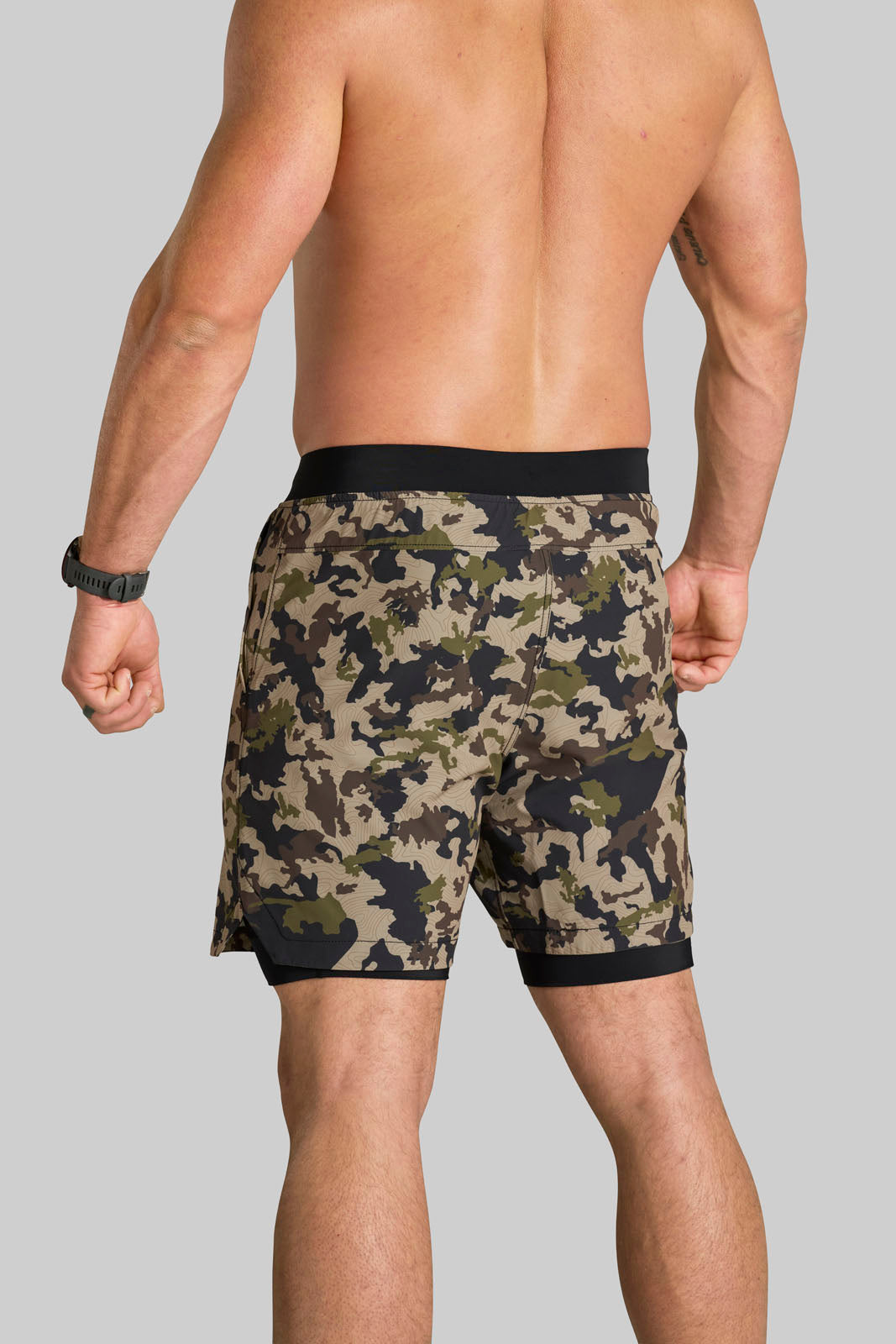
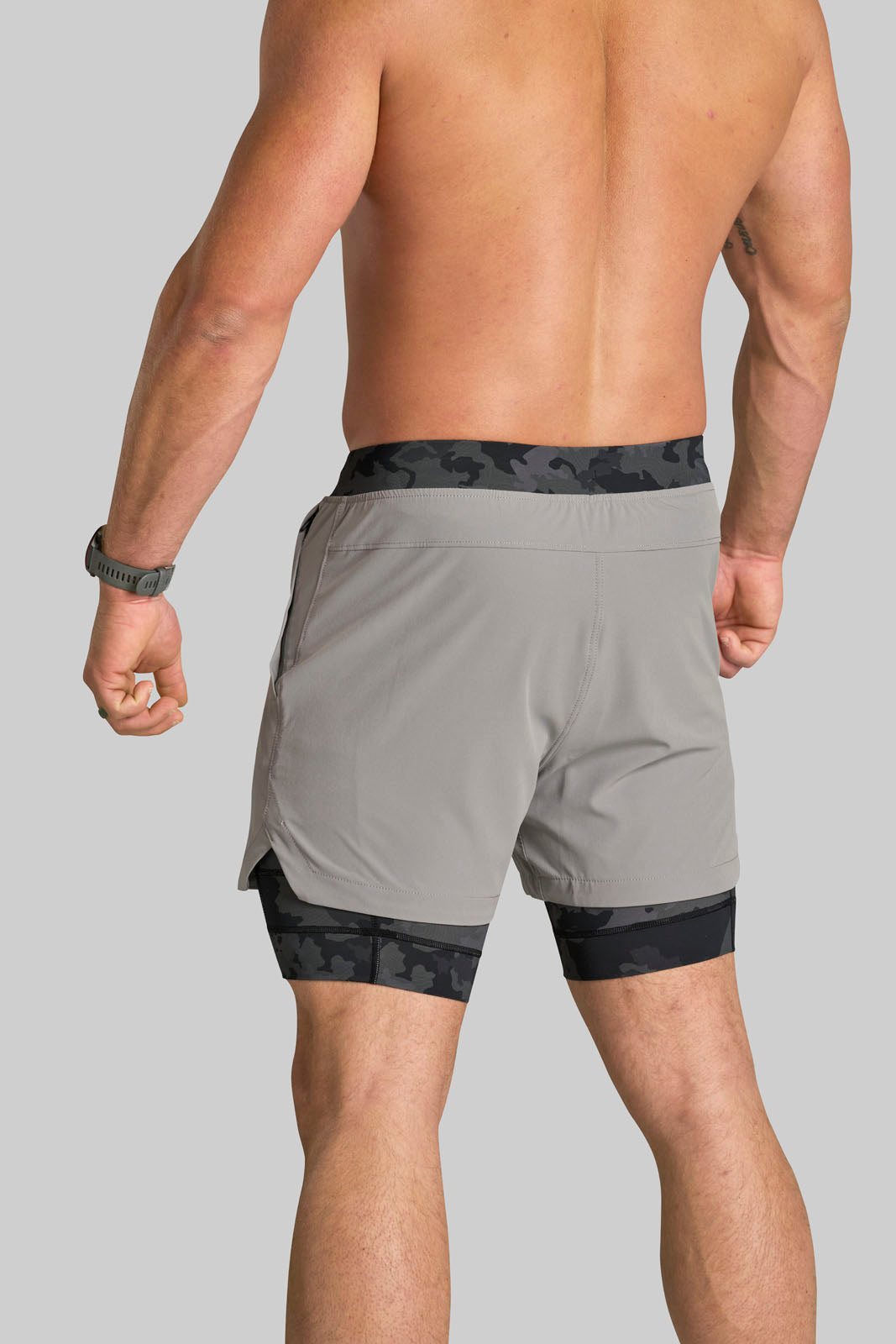
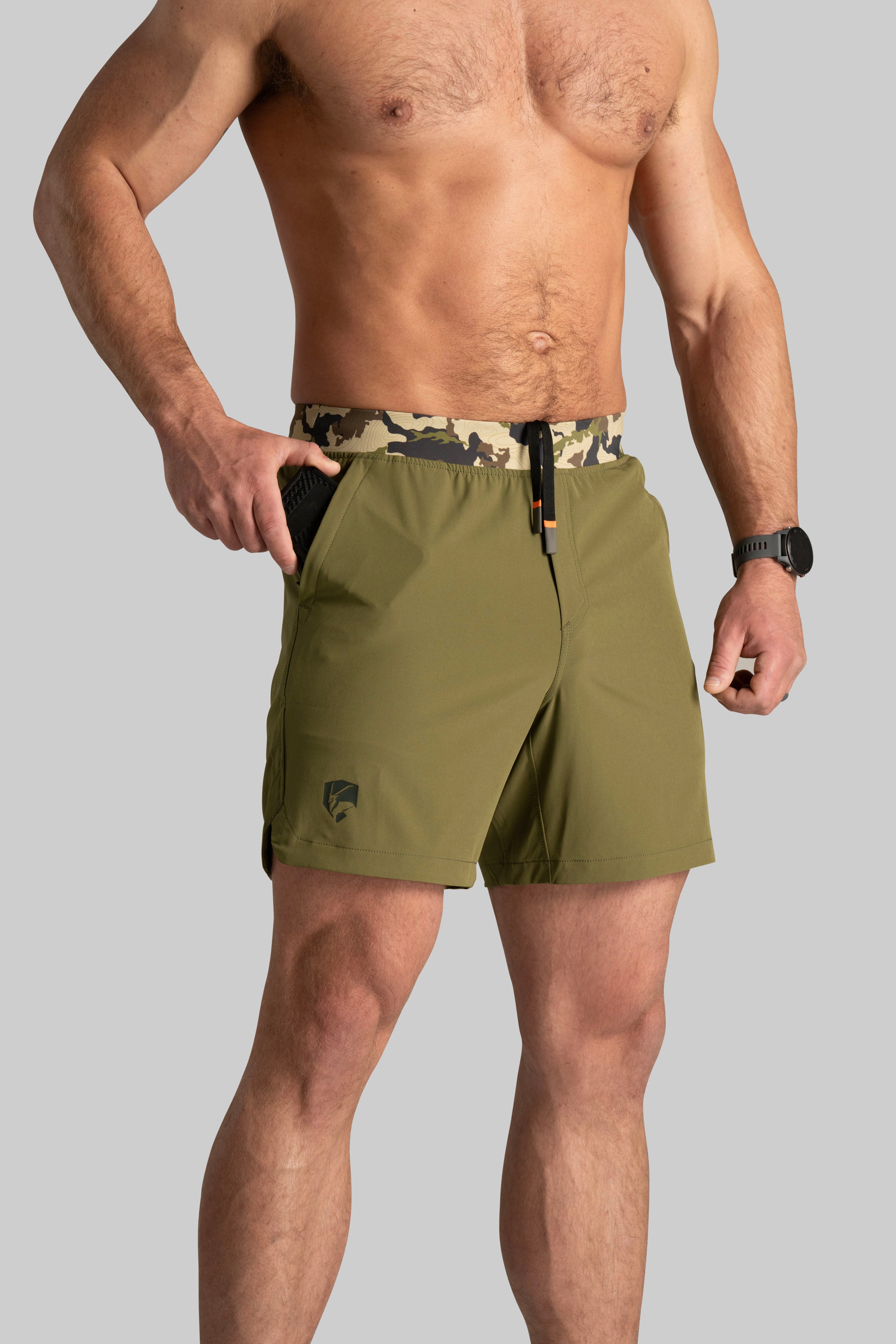
For sweat-heavy sessions, Threshold Shorts provide breathability and freedom of movement without distraction.
Day 3 – Loaded Movement (Ruck or Carry)
Option 1: Ruck Walk
- 30–60 minutes
- Moderate load
- Steady pace
Option 2: Carry Intervals
- Farmer carries
- Sandbag carries
- Pack carries
Example:
- 5 rounds
- 2–3 minutes carry
- 2 minutes rest
Loaded movement builds posture, leg endurance, and mental resilience. It also exposes weaknesses quickly — which is exactly why it’s effective.
The Recon Jogger works well for warm-ups, carries, and recovery days, offering unrestricted movement and durability.
 Weekly Progression
Conditioning improves through gradual exposure, not constant exhaustion.
- Week 1: Establish rhythm and consistency
- Week 2: Slightly increase duration or rounds
- Week 3: Add load or intensity modestly
- Week 4: Maintain intensity, reduce volume
You should feel worked — not wrecked.
Recovery Is Part of Conditioning
The most overlooked element of cardio training is recovery. A good engine doesn’t just produce effort — it recovers quickly between efforts and sessions.
Support recovery by:
- Sleeping consistently
- Fueling adequately
- Walking on rest days instead of total inactivity
Compression pieces like Compression Tights can help regulate temperature and support circulation during cool-downs and recovery walks, especially in colder conditions.
Training Across Weather and Conditions
Outdoor conditioning doesn’t wait for perfect conditions. Wind, cold, heat, and uneven ground all add stress — and opportunity.
Adjust expectations, not effort:
- Slow pace in heat
- Shorten intervals in extreme cold
- Focus on posture in wind
Layering matters. Breathable base layers like the Daily Tee paired with the Summit Hoodie allow you to adapt without overheating or restricting movement.
How Conditioning Completes the Series
This conditioning plan ties together everything built over the past three weeks.
- Upper body strength supports posture and carries
- Lower body strength powers movement and absorbs impact
- Core stability maintains efficiency under fatigue
Conditioning exposes weaknesses — but it also rewards preparation. When strength and stability are in place, endurance follows.
 Final Thoughts
The best conditioning programs don’t announce themselves. They show up quietly in longer days, steadier breathing, and the ability to keep moving when others slow down.
This four-week program isn’t about pushing limits for one session. It’s about building an engine that lasts — across terrain, weather, and time.
That’s what it means to be built for the elements.