

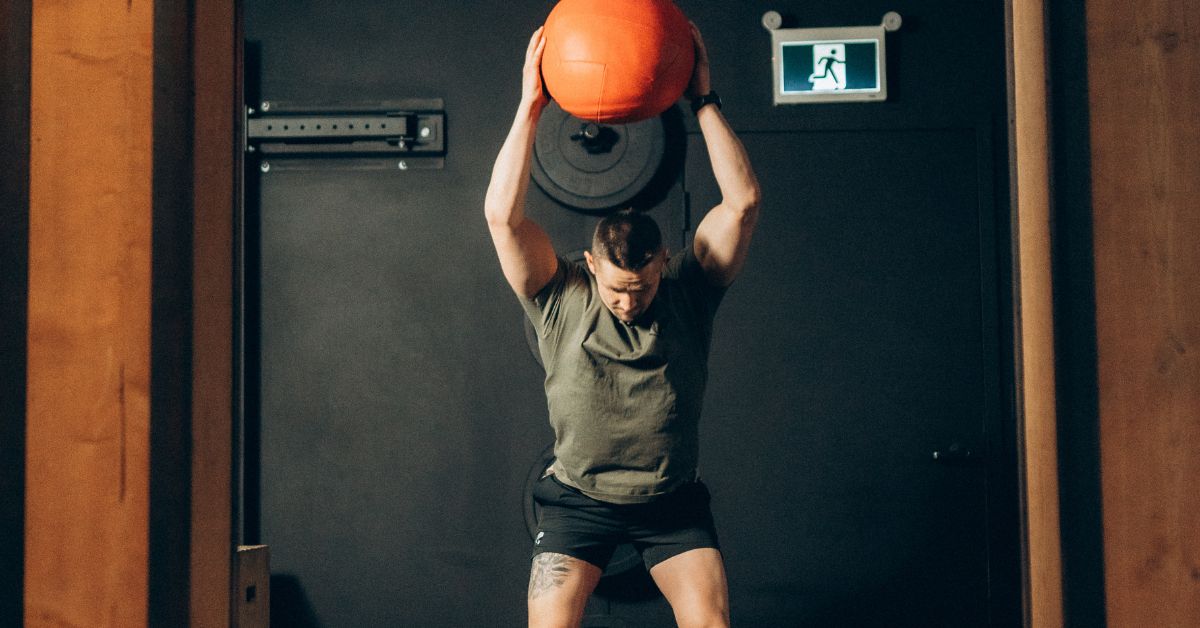
Built From the Center: Core Strength for Stability, Endurance, and Control
When people think about core training, they often picture sit-ups, crunches, or chasing visible abs. For the fit outdoorsman, that definition falls short. A strong-looking core doesn’t always translate to real-world performance, and aesthetics alone won’t keep you stable on uneven ground or braced under load.
True core strength is about control. It’s about resisting movement, maintaining posture under fatigue, and transferring force efficiently between the upper and lower body. Outdoors, the core acts as the body’s stabilizing system — constantly adapting to terrain, load, and fatigue.
This four-week core training program is designed to build functional core strength that supports balance, endurance, and durability in outdoor environments.
Why Traditional Core Training Misses the Mark
Most traditional core routines focus on spinal flexion — bending forward repeatedly. While that has a place, it represents only a small portion of what the core actually does in real life.
Outside the gym, your core’s primary job is to:
- Resist rotation
- Resist extension
- Maintain posture under load
- Stabilize the spine during movement
When walking on uneven terrain, carrying weight, or moving for extended periods, the core works isometrically far more than dynamically. It keeps you upright, balanced, and efficient.
That’s why this program avoids endless crunches and instead focuses on building strength through anti-movement patterns.
Core Functions That Matter Outdoors
1. Anti-Rotation
Uneven ground constantly tries to twist your torso. A strong core resists that rotation, keeping your spine stable and movement efficient.
2. Anti-Extension
Fatigue often causes the lower back to arch excessively. Anti-extension strength keeps the rib cage stacked over the pelvis, protecting the spine during long efforts.
3. Load Transfer
Every step, carry, and lift transfers force through the core. A weak core leaks energy and increases strain on joints.
4. Balance and Postural Control
The core acts as the body’s anchor. Strong stabilizers improve balance, coordination, and confidence on unpredictable terrain.
 The 4-Week Core Training Structure
This program is designed to be completed 2–3 times per week, either:
- After strength sessions, or
- As a standalone short session
Each workout takes 20–30 minutes and requires minimal equipment.
Core Session A – Anti-Rotation Focus
1. Pallof Press (Cable or Band)
3 sets × 12 reps per side
Press straight out, resisting rotation the entire time.
2. Side Plank (Standard or Elevated)
3 sets × 30–60 seconds per side
Keep hips stacked and spine neutral.
3. Single-Arm Farmer Carry
4 rounds × 40–50 yards per side
Slow, controlled steps. No leaning.
4. Dead Bug (Controlled Tempo)
3 sets × 8–10 reps per side
Maintain contact between lower back and floor.
Core Session B – Anti-Extension Focus
1. Front Plank (Weighted if Ready)
3 sets × 45–75 seconds
Brace as if carrying load. No sagging.
2. Hanging Knee Raises or Captain’s Chair
3 sets × 10–15 reps
Control the movement — no swinging.
3. Ab Wheel Rollouts or Stability Ball Rollouts
3 sets × 8–12 reps
Maintain rib cage down and hips engaged.
4. Overhead Carry
4 rounds × 30–40 yards
Light to moderate load, focus on posture.
Optional Session C – Carry & Control (Optional Third Day)
1. Sandbag Bear Hug Carry
5 rounds × 40 yards
Breathing controlled, posture tall.
2. Offset Dumbbell March
3 sets × 20 steps per side
Slow steps, controlled core engagement.
This session is excellent for outdoor days when you want to move without heavy lifting.
Weekly Progression
The goal is not exhaustion — it’s control.
- Week 1: Master positioning and breathing
- Week 2: Increase time under tension
- Week 3: Add load to carries and planks
- Week 4: Maintain load, reduce volume slightly
Progress happens when the core stays engaged even as fatigue builds.
 Breathing, Bracing, and Posture
Core strength is inseparable from breathing.
Before each rep:
- Exhale slightly to stack ribs over pelvis
- Inhale through the nose
- Brace as if preparing to lift or carry
This breathing strategy protects the spine and improves endurance. Over time, it becomes automatic — especially during long outdoor efforts.
Minimal Equipment, Maximum Transfer
One of the advantages of core training is how little equipment it requires. Bands, dumbbells, sandbags, or even bodyweight can deliver tremendous results when used intentionally.
Outdoor-friendly core training also means clothing that doesn’t restrict movement. A breathable base layer like the Daily Tee allows unrestricted rotation and bracing without riding up or binding during planks and carries.
For colder sessions or early mornings, layering with the Summit Hoodie helps maintain core temperature while still allowing full range of motion during carries and ground work.
Temperature, Comfort, and Core Performance
Cold stiffens muscles and limits control — especially through the trunk. Maintaining warmth around the hips and midsection improves both performance and injury resistance.
Using Compression Tights during cold-weather sessions supports circulation, keeps muscles warm, and allows consistent engagement during anti-rotation and anti-extension movements.
Comfort isn’t about luxury — it’s about staying focused on execution instead of fighting your gear.
How Core Training Supports the Full Program
This core program is the connective tissue of the entire Built for the Elements series.
- It stabilizes the upper body strength built in Week 1
- It protects the hips and spine during Week 2 lower body training
- It allows conditioning work in Week 4 to be sustained without breakdown
Without a strong core, strength leaks and fatigue compounds. With it, everything moves better.
Final Thoughts
A strong core doesn’t announce itself — it shows up quietly in better balance, smoother movement, and fewer setbacks. It allows you to move longer, carry more, and stay capable when conditions are unpredictable.
That’s the goal of this program: not visible abs, but reliable strength at the center of everything you do.
